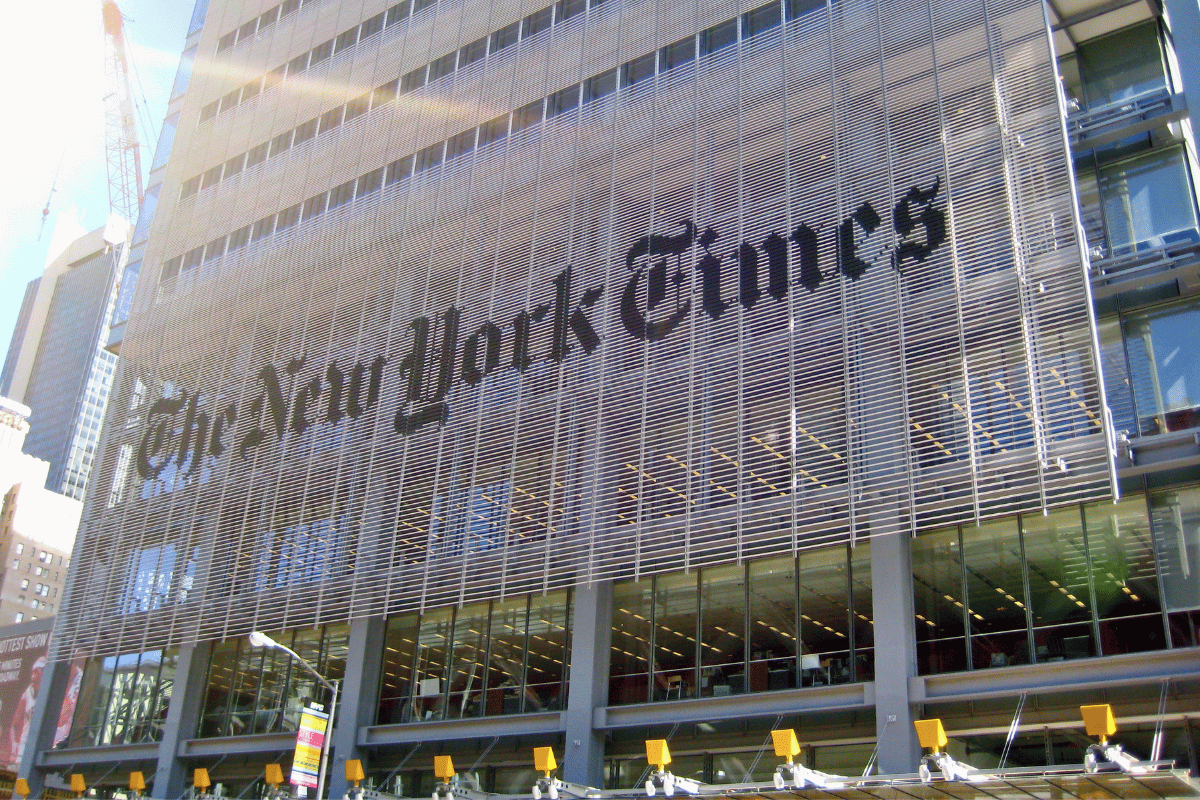
Kalshi is disputing a New York Times report about the expanding legal and political battle over prediction markets, including questions about sports betting, taxes, consumer safeguards and federal intervention.
The company responded August 27 as 20 states face active litigation involving Kalshi or other prediction markets. Separately, 44 states signed a letter to the Commodity Futures Trading Commission arguing the platforms have sidestepped state regulation and taxes.
“The New York Times asked a series of questions, then ignored almost every answer that didn’t align with the narrative that was being pushed,” Kalshi said in its response.
The Times cited a Tax Foundation estimate that states could collect at least $2 billion annually by taxing prediction markets like sportsbooks. Kalshi questioned the estimate and pointed to North Carolina, where online sportsbooks generated about $130 million in 2025 tax revenue.
“Federally regulated companies are subject to state taxes – we have never said otherwise,” the company said. “This is how almost all industries in America operate.”
Kalshi challenges Times claims as regulatory fight intensifies
States contend sports-event contracts amount to gambling. Washington Attorney General Nick Brown, after securing a preliminary August court victory, said customers can wager on sporting outcomes. “That’s the same thing as gambling,” he said.
“It’s flat-out wrong to say that Kalshi is ‘indistinguishable from traditional sports betting,’” the company said.
Kalshi says its exchange uses bids, asks, order books and other trading tools, while federal rules address manipulation. It also offers trading breaks, self-exclusion and deposit limits and works with the National Council on Problem Gambling and Birches Health.
North Carolina’s budget permits CFTC-registered prediction markets and taxes them at 6%, compared with 23% for sportsbooks. The Times reported Kalshi lobbyist Jim Harrell helped shape that legislation.
“This is literally what lobbyists do – represent client interests and help inform legislators regarding potential legislation,” the company said.
Kalshi says comparing rates ignores different economics: sportsbooks had a 10.2% national hold in 2025, versus roughly 1% blended prediction-market fees.
“Sportsbooks’ margins are 10x more than those of prediction markets, so you can’t compare tax rates, because you’re taxing different amounts,” Kalshi said. “So the focus should be less on the tax percentage number and more on the actual revenue directed to the state.”
The CFTC has sued nine states this year, all led by Democratic governors, and intervened in Michigan and New York disputes.
“It’s unprecedented and overly aggressive for states to try to shut down a federally licensed exchange,” the company said. “It’s like if North Carolina wanted to shut down the stock market.”
Donald Trump Jr., an adviser to Kalshi who is also involved with Polymarket, has argued for CFTC oversight. Kalshi says he advises on marketing, not regulation.
Court outcomes remain divided, including losses for Kalshi and a Third Circuit victory.
“We won in the Third Circuit,” the company said. “And no, we do not agree with that characterization. The legal split is currently close to 50-50.”
Featured image: Wally Gobetz via Flickr / CC BY-NC-ND 2.0
The post Kalshi challenges Times report amid widening prediction market regulatory battles appeared first on ReadWrite.