
Most physicians did not become doctors to spend their afternoons navigating prior auth portals or triaging inbox messages about prescription refills. But that is what a significant chunk of a clinical day looks like for many, and it has for years.
AI workflow automation is the most direct response to that problem that medicine has seen. Not a promise of some future system that will think like a physician, but tools available right now that handle the repetitive, time-intensive administrative work that follows clinicians long after they leave the exam room.
This is a plain-language breakdown of what AI workflow automation actually means in a medical context, what it does well, and how to think about where it fits.
Disclaimer: While these are general suggestions, it’s important to conduct thorough research and due diligence when selecting AI tools. We do not endorse or promote any specific AI tools mentioned here. This article is for educational and informational purposes only. It is not intended to provide legal, financial, or clinical advice. Always comply with HIPAA and institutional policies. For any decisions that impact patient care or finances, consult a qualified professional.
What AI Workflow Automation Actually Means
Workflow automation is not a new concept in healthcare. Rules-based systems have been routing lab results and triggering order reminders inside EHRs for decades. What is new is the layer of intelligence that AI adds on top.
Traditional automation follows fixed rules. If a result falls outside a threshold, send an alert. AI-based automation reads context. It can process unstructured text, understand the intent behind a message, and handle tasks that do not fit a clean if-then pattern.
In clinical practice, that distinction matters because most of the work that consumes physician time is not structured. Patient portal messages do not arrive pre-sorted by urgency. Prior authorization requests do not come with a checklist of what the payer needs. Literature searches do not produce a single clean answer.
These are tasks that require reading, judgment, and assembly, and they are exactly where AI workflow automation is starting to make a real dent.
Where Physicians Are Already Using It
According to the AMA’s 2026 Physician Survey on Augmented Intelligence, documentation-focused applications show the highest anticipated near-term adoption, including generating discharge instructions, care plans, chart summaries, and clinical documentation support.
That tracks with what is actually available. The four categories where AI workflow automation is most developed for physicians right now are:
Clinical documentation. Ambient scribes listen to a patient encounter and generate a structured note draft. The physician reviews and approves rather than dictating from scratch. The time savings on documentation alone is the most commonly cited benefit among physicians who have adopted these tools.
Inbox and message triage. Patient portal messages, referral requests, and care team handoffs can be read, categorized, and flagged by urgency before any human touches them. A care team sees a sorted queue rather than a raw inbox. Nothing falls through. The physician handles the clinical responses; the AI handles the initial read and sort.
Prior authorization support. AI tools can cross-reference a patient’s clinical criteria against payer coverage requirements, pull the relevant documentation, and draft the supporting materials for a prior auth request. The physician reviews the output. The assembly work happens automatically.
Literature and research retrieval. Connected to indexed databases like PubMed, AI tools can surface relevant studies in response to a specific clinical question rather than returning a list of keyword matches for a physician to sort through manually.
The AMA’s 2026 survey found that 70% of physicians see AI as an opportunity to offload or replace some clinical tasks, and 73% see it as a way to reduce administrative workload through automation.
What AI Workflow Automation Does Not Do
This is worth being specific about, because the line between automation and clinical decision-making is where compliance and liability considerations live.
AI workflow automation handles process work, not clinical judgment. It drafts a prior auth document; the physician decides whether the treatment is appropriate. It sorts a message as urgent; the physician decides how to respond. It retrieves a study; the physician decides whether the evidence applies to this patient.
That distinction is intentional in most well-designed AI tools and is consistent with how the AMA frames the role of AI in medicine: augmenting physicians rather than replacing existing healthcare services.
Physicians evaluating AI workflow tools for a practice should ask two questions about any tool under consideration.
First, where exactly does the AI’s role end and the physician’s role begin? Second, what does the tool’s documentation say about its intended use and its limitations? Those answers determine where the tool is appropriate and where it is not.
How to Think About Getting Started
The practical barrier to AI workflow automation is rarely the technology. Most physicians who have tried it say the harder part is deciding where to start and how to evaluate whether a tool is actually helping.
A useful starting point is to identify the one workflow that costs the most time each week without requiring clinical expertise to execute. For most physicians, that answer is documentation or inbox management. Both have mature AI tools available, many of which integrate directly with major EHR systems.
A reasonable first metric is simple: does this save time on the task it targets, and does the output require less correction over time? If the answer to both is yes after a few weeks, the tool is doing its job.
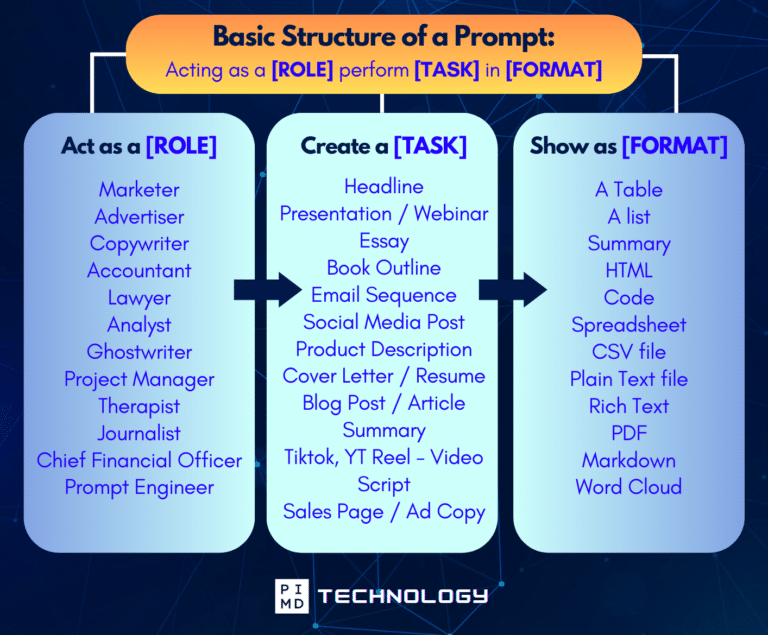
Unlock the Full Power of ChatGPT With This Copy-and-Paste Prompt Formula!
Download the Complete ChatGPT Cheat Sheet! Your go-to guide to writing better, faster prompts in seconds. Whether you’re crafting emails, social posts, or presentations, just follow the formula to get results instantly.
Save time. Get clarity. Create smarter.
A Note on Compliance
AI workflow automation in clinical settings involves patient data, and that means HIPAA considerations apply before any tool goes live. Not every AI tool marketed to physicians is HIPAA-ready. Physicians and practice administrators should verify whether a vendor offers a Business Associate Agreement before connecting any tool to systems that contain protected health information.
This is a straightforward step, but it is easy to overlook when evaluating tools quickly. A tool that saves two hours a week is not worth adopting if it creates a compliance gap.
The Bigger Picture
More than three-quarters of physicians in the AMA’s 2026 survey said they believe AI improves their ability to care for patients, up from 65% in 2023. That shift in sentiment is not accidental. It tracks with the availability of tools that address real, concrete problems rather than speculative ones.
AI workflow automation is not the version of medical AI that reads imaging or generates diagnoses. It is the version that handles the paperwork, the inbox, the documentation, and the research retrieval so that physicians can spend more of their time on the work that actually requires them.
That is not a small thing. For any physician who has stayed late catching up on charts or spent an afternoon navigating a prior auth appeal, the practical value of even modest automation in those areas is concrete and immediate.
The tools to do it exist now. Getting familiar with them is worth the effort.
But what about you? What do you think of AI workflow automation for physicians? Let us know in the comments!
At Passive Income MD, we cover the tools, strategies, and practical AI workflow tips helping physicians build more time and financial freedom. We’ll keep tracking where AI goes from here.
Download The Physician’s Starter Guide to AI – a free, easy-to-digest resource that walks you through smart ways to integrate tools like ChatGPT into your professional and personal life. Whether you’re AI-curious or already experimenting, this guide will save you time, stress, and maybe even a little sanity.
Want more tips to sharpen your AI skills? Subscribe to our newsletter for exclusive insights and practical advice. You’ll also get access to our free AI resource page, packed with AI tools and tutorials to help you have more in life outside of medicine. Let’s make life easier, one prompt at a time. Make it happen!
Disclaimer: This article is for general informational and educational purposes only. It does not constitute medical, legal, compliance, or professional advice. Claude for Healthcare features and pricing are subject to change. HIPAA compliance requirements are the responsibility of the deploying organization. Physicians and organizations should verify compliance requirements with qualified legal and IT professionals and consult Anthropic’s official documentation before implementation.
The information provided here is based on available public data and may not be entirely accurate or up-to-date. It’s recommended to contact the respective companies/individuals for detailed information on features, pricing, and availability. All screenshots, if any, are used under the principles of fair use for editorial, educational, or commentary purposes. All trademarks and copyrights belong to their respective owners.
If you want more content like this, make sure you subscribe to our newsletter to get updates on the latest trends for AI, tech, and so much more.
Further Reading
The post AI Workflow Automation for Physicians: What It Is and Where to Start appeared first on Passive Income MD.